Dr. Yvonne Nguyen · Dermatology Conditions

Acne

Expert dermatology care for all types of acne, from teenage breakouts to adult hormonal acne.

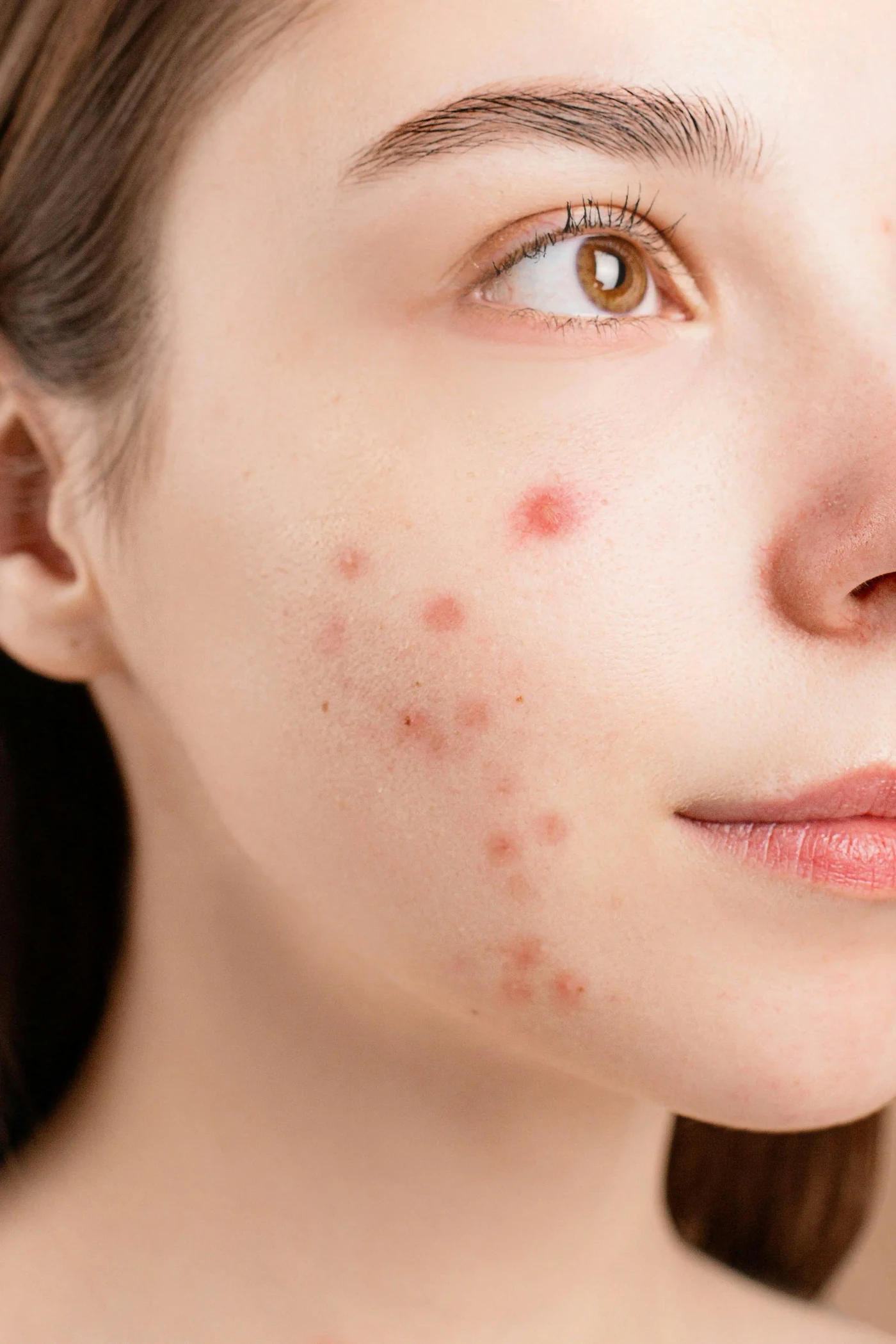
Acne develops when hair follicles become blocked by a combination of sebum, dead skin cells, and bacteria. It presents across a spectrum of types:

  • Comedonal acne: non-inflamed blackheads and whiteheads
  • Inflammatory acne: red papules and pustules that can leave post-inflammatory marks
  • Nodulocystic acne: deeper, painful lesions carrying the highest risk of permanent scarring
  • Hormonal acne: typically along the jawline and lower face, driven by androgen fluctuations, particularly common in women

Approximately 85% of Australians aged 15–24 are affected, but adult acne is increasingly recognised. The psychological impact at any age is significant and clinically important.

Close-up portrait showing acne-prone skin for specialist acne treatment in Sydney

Four processes interact at the hair follicle: excess sebum production, abnormal skin cell shedding (forming a comedone), proliferation of Cutibacterium acnes bacteria, and the resulting inflammatory immune response. Androgens, present in both men and women, drive sebum production and hormonal acne patterns. In women, conditions such as polycystic ovarian syndrome (PCOS) can significantly elevate androgen levels. Diet, stress, medications, and certain skincare products also influence severity.

How is it diagnosed?

A dermatologist assesses lesion type, distribution, inflammation, and scarring, and considers whether hormonal or systemic factors are contributing. Blood tests may be recommended for women with suspected hormonal acne. Accurate diagnosis matters because different acne types respond to different treatments, and some approaches can worsen certain presentations.

Treatment is guided by type, severity, and individual health. A dermatologist will discuss a personalised plan, which may include:

Topical treatments including retinoids (vitamin A derivatives that regulate skin cell turnover), benzoyl peroxide, topical antibiotics, and azelaic acid are first-line for mild to moderate acne.

Oral treatments for moderate to severe acne may include oral antibiotics (used for a defined period), hormonal therapies for women with an androgenic component, and isotretinoin, which is highly effective for severe or scarring-prone acne and requires careful monitoring and specific eligibility criteria.

Procedural treatments such as chemical peels, laser therapy, and light-based devices may address active acne or acne scarring once the underlying condition is controlled.

Most regimens require 8–12 weeks before meaningful improvement. Consistency matters more than intensity.

Treatment is highly individual. The options above are a starting point for conversation with a dermatologist, not a prescription.

  • Avoid picking or squeezing lesions, as this worsens inflammation and significantly increases scarring risk
  • Use non-comedogenic (non-pore-blocking) skincare and makeup
  • Cleanse gently, as harsh products strip the skin and stimulate more oil production
  • Apply prescribed treatments consistently, even when the skin appears to be improving
  • Over-the-counter products haven't helped after 3 months
  • Acne is leaving scars, marks, or persistent dark spots
  • Painful nodules or cysts are present
  • Acne is affecting your confidence or daily life
  • Onset or worsening is linked to hormonal changes

Discuss Acne with Dr. Nguyen

Sources and further reading

These external resources provide general educational information and do not replace individual medical advice.