Dr. Yvonne Nguyen · Dermatology Conditions

Anti-Ageing & Skin Barrier Health

Supporting the skin well over time is one of the most valuable things you can do for long-term confidence.

Skin ageing is shaped profoundly by sun exposure. In Australia, where UV radiation is among the highest in the world and present year-round, photoageing accounts for the majority of visible changes people associate with ageing: fine lines, wrinkles, uneven pigmentation, dilated blood vessels, rough texture, and loss of firmness.

Biological (intrinsic) ageing causes a gradual reduction in collagen, elastin, and hyaluronic acid, the structural proteins that keep skin firm and hydrated. UV exposure accelerates this significantly. Because a large proportion of visible ageing is photoageing, it is also largely preventable.

Skin barrier health, the skin's ability to retain moisture and protect against environmental damage, is closely interconnected with ageing. As the barrier weakens, skin becomes drier, more reactive, and less resilient. Supporting barrier function is the foundation of any evidence-based approach to skin health.

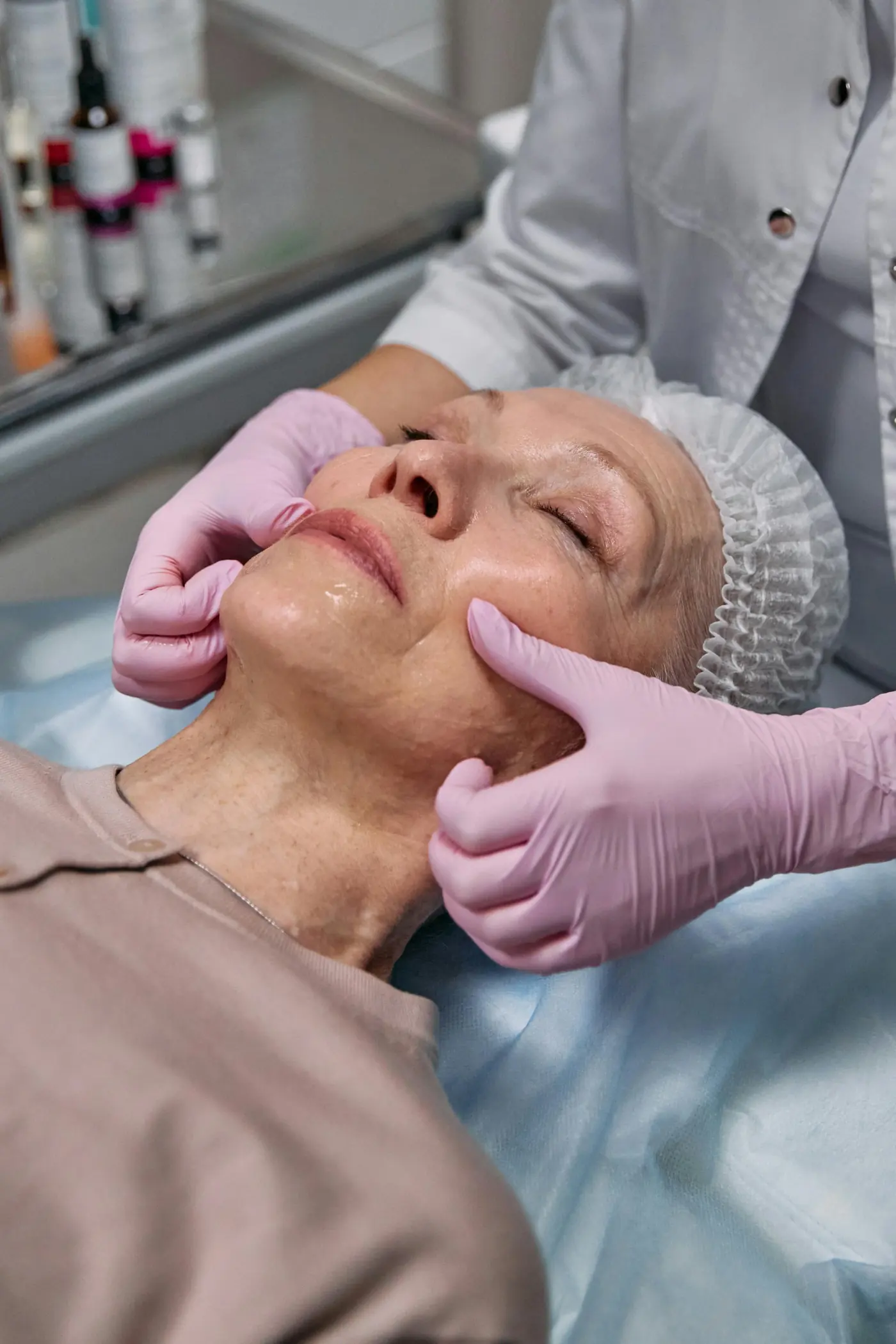
Healthy facial skin image representing anti-ageing and skin barrier care

Intrinsic ageing involves reduced collagen and elastin production as fibroblast activity declines, a decrease in skin lipids, and loss of hyaluronic acid. Photoageing is driven by UVA (which penetrates deeply and degrades collagen and elastin) and UVB (which damages skin cell DNA), generating cumulative cellular damage. Other accelerants include smoking (oxidative damage, impaired collagen synthesis), high-sugar diet (promotes glycation, which stiffens collagen), chronic stress, poor sleep, and air pollution.

How is a skin ageing assessment approached?

A dermatologist takes a whole-face approach, assessing the relative contribution of sun damage, volume loss, textural change, pigmentation, and vascular changes. Different concerns have different causes and therefore different treatments; addressing the right issues in the right order produces better long-term results. Dermoscopy also reveals subclinical sun damage before it becomes visible, which informs skin cancer surveillance.

Daily sun protection is the single most impactful anti-ageing strategy, supported by decades of randomised controlled trial data in the Australian context. Broad-spectrum SPF 50+ sunscreen combined with protective clothing, hat, and shade-seeking during peak UV hours is the non-negotiable foundation. In Australia, sunscreen is regulated by the TGA as a therapeutic product.

Prescription retinoids, vitamin A derivatives including tretinoin, have the strongest evidence base of any topical anti-ageing treatment, with clinical data demonstrating improvements in fine lines, pigmentation, skin texture, and collagen density. They require a prescription in Australia and work gradually over months.

Evidence-based cosmeceuticals with meaningful supporting data include vitamin C (antioxidant and collagen support), niacinamide, and alpha-hydroxy acids. These complement but do not replace prescription treatments.

Procedural treatments such as laser therapy, intense pulsed light (IPL), radiofrequency, and chemical peels address pigmentation, vascular lesions, textural irregularity, and skin laxity. The right procedure depends on your skin type, concerns, and realistic goals.

Injectable treatments can restore lost volume and soften dynamic lines, working best as part of a broader skin health plan.

The most effective anti-ageing approach is personalised and cumulative, starting with the highest-impact strategies and building from there.

  • Apply broad-spectrum SPF 50+ sunscreen every morning, as UV penetrates windows and is present year-round across Australia
  • Wear a broad-brimmed hat and seek shade during peak UV hours (10am–3pm)
  • Moisturise daily to support barrier function
  • Avoid smoking; moderate alcohol intake
  • Prioritise sleep, which is an underestimated contributor to visible skin quality
  • You notice any new, changing, or unusual spots; always rule out skin cancer first
  • You want prescription-strength treatments such as retinoids, or procedural options
  • Over-the-counter products are not producing expected results
  • You want a personalised, evidence-based plan rather than navigating the skincare market alone.

Discuss Anti-Ageing & Skin Barrier Health with Dr. Nguyen

Sources and further reading

These external resources provide general educational information and do not replace individual medical advice.