Dr. Yvonne Nguyen · Dermatology Conditions

Seborrhoeic Dermatitis

Seborrhoeic dermatitis can be very effectively controlled with the right specialist approach.

Seborrhoeic dermatitis is a common, chronic inflammatory skin condition affecting areas rich in oil glands, primarily the scalp, face (eyebrows, sides of the nose, ears), and sometimes the chest and upper back. It presents as flaking, redness, and slightly greasy scale. Mild dandruff is the most familiar presentation, but seborrhoeic dermatitis can also produce persistent facial redness and scaling that affects appearance and confidence.

It tends to relapse and remit, improving and flaring over time rather than resolving permanently. It is not contagious and is not caused by poor hygiene.

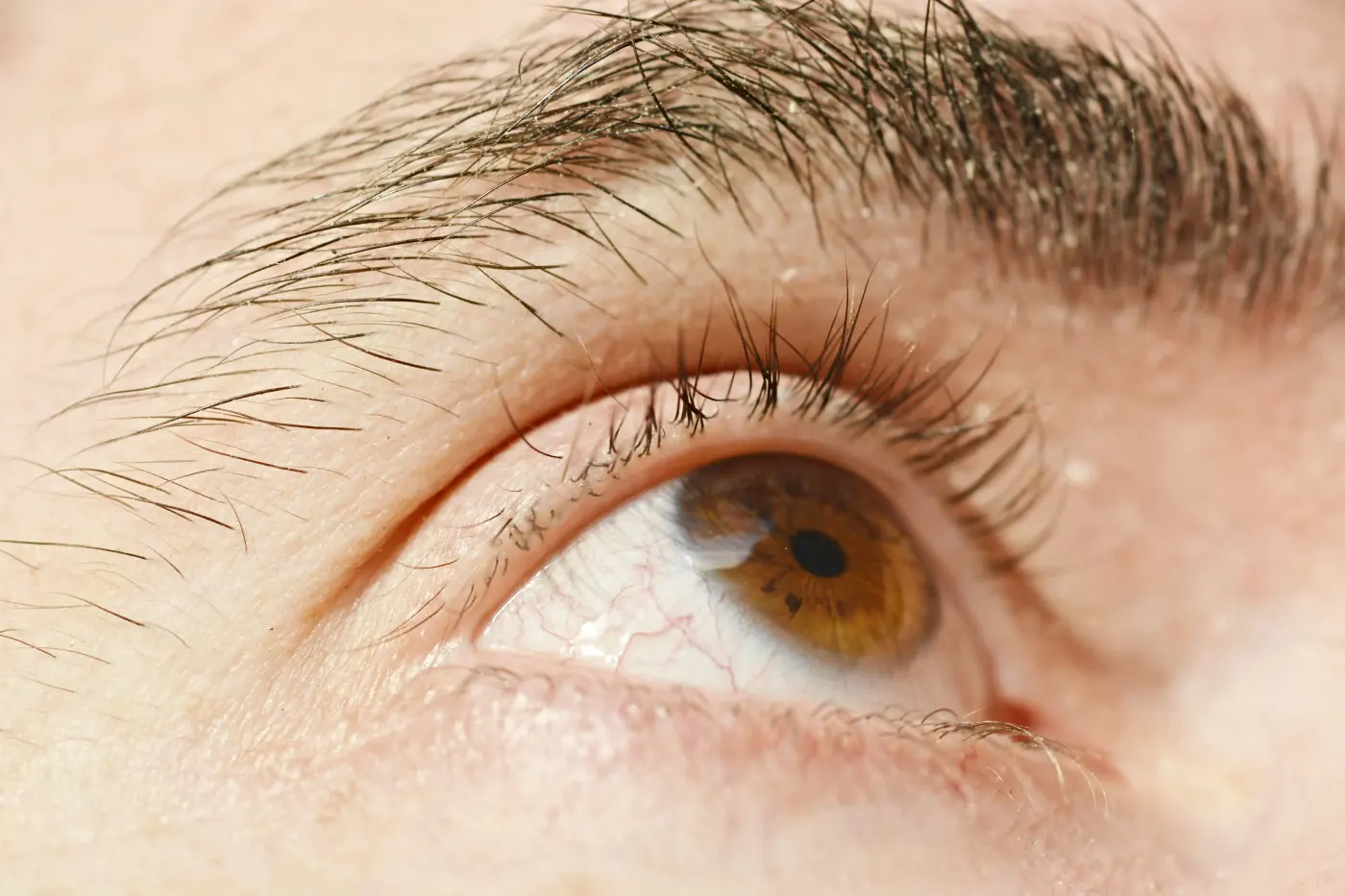
Skin and scalp care image representing seborrhoeic dermatitis treatment

Three factors interact: Malassezia yeast (naturally present on all skin) triggers an inflammatory response in susceptible individuals; sebum provides the environment in which the yeast proliferates, explaining why oil-rich areas are affected; and individual immune response determines who develops the condition. Not everyone colonised by Malassezia develops seborrhoeic dermatitis, as genetic susceptibility plays a role.

The condition is more common in people with certain neurological conditions (including Parkinson's disease), weakened immune systems, and those under sustained psychological stress. It frequently worsens in winter and often improves with moderate sun exposure.

How is it diagnosed?

Diagnosis is clinical; an experienced dermatologist can identify seborrhoeic dermatitis by the appearance and distribution of affected skin. Distinguishing it from scalp psoriasis, rosacea, and contact dermatitis is important, as these have different causes and treatments. A skin biopsy is rarely needed.

Seborrhoeic dermatitis cannot be permanently cured, but it can be very effectively controlled. Most people achieve significant improvement and long periods of remission with the right approach.

Antifungal treatments targeting Malassezia are central to management, available as shampoos, creams, and gels. For scalp seborrhoeic dermatitis, medicated shampoos require adequate contact time to be effective; your dermatologist will advise on technique and frequency, which differs between maintenance and active flare phases.

Anti-inflammatory treatments, including mild topical corticosteroids for flares and non-steroidal options such as topical calcineurin inhibitors, reduce redness and itch. Calcineurin inhibitors are particularly useful for facial seborrhoeic dermatitis, where prolonged corticosteroid use is not appropriate.

Effective management combines a maintenance routine (to prevent flares) with targeted treatment during active flares, rather than treating only when symptoms become troublesome.

  • Use gentle, fragrance-free cleansers; avoid heavily fragranced hair products
  • Allow medicated shampoos to sit on the scalp for several minutes before rinsing, as contact time is important for effectiveness
  • Increase antifungal shampoo frequency during active flares as directed by your dermatologist
  • Stress management is a recognised part of longer-term control
  • Dandruff or facial scaling is not responding to over-the-counter products after several weeks
  • Affected areas are spreading or becoming more inflamed
  • There is significant redness, crusting, or oozing
  • You are uncertain whether symptoms represent seborrhoeic dermatitis or another condition

Discuss Seborrhoeic Dermatitis with Dr. Nguyen

Sources and further reading

These external resources provide general educational information and do not replace individual medical advice.